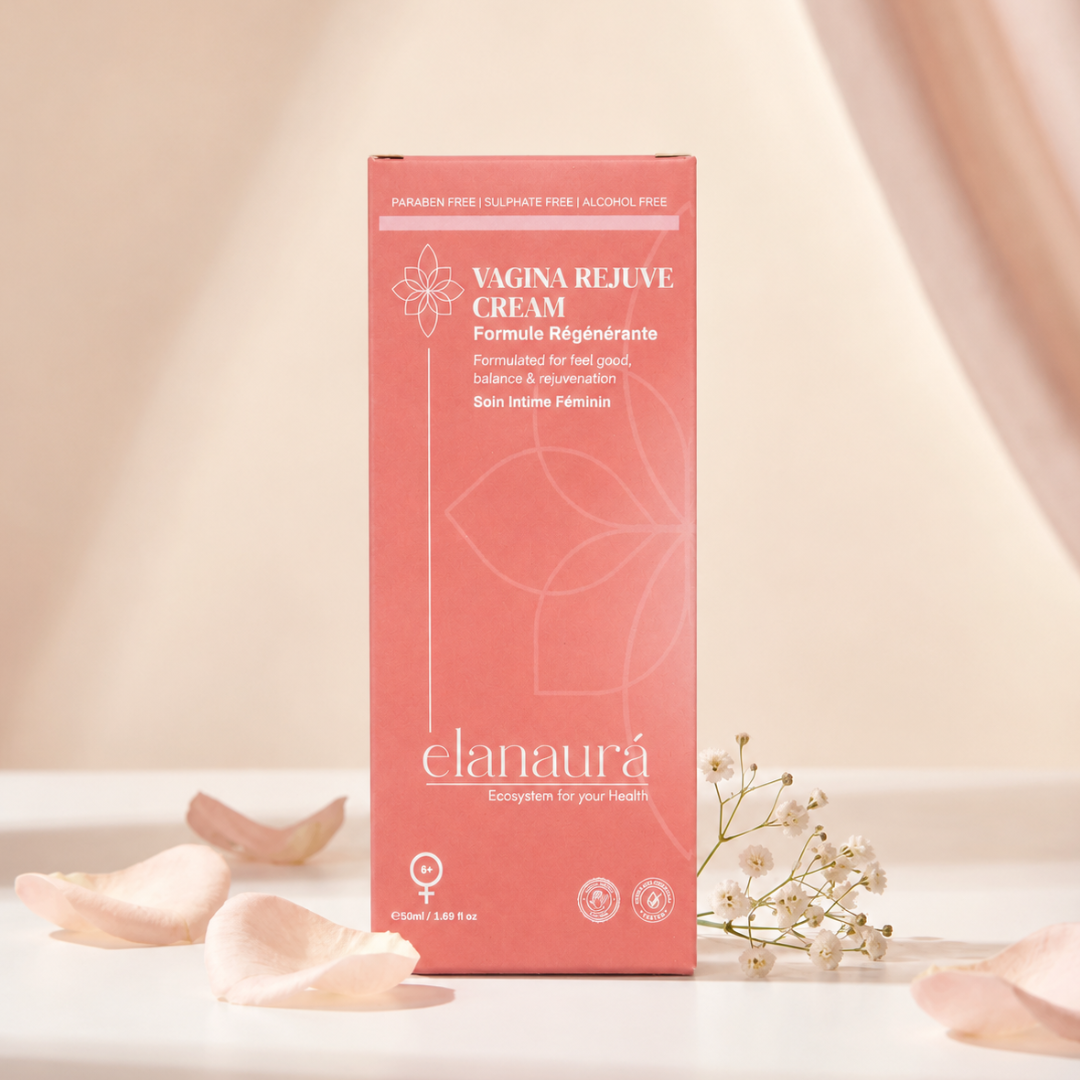
What Does “Vaginal Rejuvenation” Mean?
“Vaginal rejuvenation” is commonly used as an umbrella term for procedures or products intended to improve vaginal tissue health, lubrication, tightness perception, elasticity, and comfort during intimacy (Cheryl Karcher and Neil Sadick, 2021).
Medically, many symptoms associated with vaginal discomfort are now grouped under the term Genitourinary Syndrome of Menopause (GSM), which includes vaginal dryness, irritation, reduced elasticity, discomfort during intimacy, and urinary symptoms caused largely by hormonal decline. (James et. al; 2024)
It is important to understand that vaginal rejuvenation is not always about aesthetics or “tightening.” In many cases, it focuses on:
-
Supporting vaginal moisture
-
Improving tissue comfort
-
Maintaining elasticity
-
Enhancing intimate wellness
-
Reducing dryness and irritation
-
Supporting postpartum recovery
-
Addressing age-related vaginal changes
Why Do Vaginal Changes Happen?
The vagina is a dynamic tissue that naturally changes throughout life. Hormones, childbirth, aging, stress, and lifestyle factors all influence vaginal health.
1. Hormonal Changes & Menopause
One of the most common causes of vaginal dryness and reduced elasticity is declining estrogen levels during perimenopause and menopause. Estrogen helps maintain vaginal tissue thickness, collagen, blood flow, and natural lubrication (Gandhi et al., 2016).
As estrogen levels decrease:
-
Vaginal tissues may become thinner
-
Natural lubrication may reduce
-
Elasticity may decline
-
Vaginal pH may change
-
Sensitivity or irritation may increase
Research suggests that Genitourinary Syndrome of Menopause affects a large proportion of postmenopausal women and can significantly impact quality of life (Mension et al., 2022).
2. Postpartum Changes
Pregnancy and vaginal childbirth can temporarily stretch pelvic floor muscles and vaginal tissues. While the body naturally heals over time, some women may notice changes in firmness, dryness, or sensation postpartum.
Breastfeeding can further contribute to vaginal dryness because estrogen levels often remain lower during lactation. Community discussions and patient experiences frequently describe postpartum dryness as a common but under-discussed concern.
3. Aging & Natural Collagen Loss
Like skin elsewhere on the body, vaginal tissues experience age-related collagen and elastin decline. This can influence tissue resilience, hydration, and flexibility over time (Messas, Messas and Kroumpouzos, 2021).
Lifestyle factors such as smoking, chronic stress, poor hydration, and inadequate nutrition may also affect tissue health and circulation.
Common Symptoms Women Experience
Vaginal wellness concerns can vary from person to person. Common symptoms include:
A recent review on vaginal dryness highlighted that these symptoms are extremely common yet often underreported because many women feel embarrassed discussing intimate health (Kim, Hyun-Kyung et al., 2024).
Natural vs Procedural Vaginal Rejuvenation
There are several approaches to supporting intimate wellness. These generally fall into two categories: non-invasive/natural support and medical procedures.
Natural & Non-Invasive Support Approaches
Many women prefer starting with a supportive lifestyle and topical approaches before considering clinical procedures.
Pelvic Floor Exercises
Kegel exercises help strengthen pelvic floor muscles, which support bladder control and vaginal muscle tone. These exercises are commonly recommended postpartum and during menopause. (Huang YC ., et al 2023)
Vaginal Moisturizers & Hydrating Creams
Topical moisturizers and intimate wellness creams may help support hydration, comfort, and tissue softness. Products containing soothing botanical extracts, hydrating lipids, or pH-supportive ingredients are commonly used for everyday intimate care.
Lifestyle & Nutrition
Research increasingly shows that hydration, circulation, hormonal balance, and inflammation influence vaginal wellness.
Helpful habits may include:
-
Staying hydrated
-
Eating antioxidant-rich foods
-
Maintaining good intimate hygiene
-
Avoiding harsh cleansers
-
Managing stress
-
Supporting hormonal health
Procedural Vaginal Rejuvenation
Medical procedures may include:
Some studies suggest that energy-based devices may improve symptoms like dryness or laxity perception in certain women (Barbara, Giussy et al., 2021).
However, experts also caution that more long-term research is needed regarding safety and effectiveness, particularly for cosmetic claims (Mension et al., 2022).
The U.S. FDA has also advised caution regarding unapproved energy-based devices marketed specifically for vaginal “rejuvenation.”
This is why many healthcare professionals recommend beginning with conservative, supportive approaches first.
Is Vaginal Rejuvenation Only for Older Women?
No. Vaginal wellness concerns can occur at different life stages.
Women may seek support for intimate comfort due to:
-
Postpartum recovery
-
Hormonal fluctuations
-
Menopause
-
Stress
-
Medication side effects
-
Vaginal dryness
-
Lifestyle factors
The goal is not to meet unrealistic beauty standards but to support comfort, confidence, and quality of life.
Final Thoughts
Vaginal rejuvenation is ultimately about intimate wellness, comfort, and tissue health; not shame or unrealistic expectations. Whether changes arise from childbirth, menopause, aging, or hormonal shifts, vaginal health deserves the same care and attention as the rest of the body.
Today, women have more access than ever to education, supportive care, topical wellness products, pelvic health therapies, and medical guidance. Understanding the science behind vaginal health helps people make informed, safe, and confident choices about their bodies.
References
-
Barbara, G. et al. (2017) ‘Vaginal rejuvenation: current perspectives’, International Journal of Women's Health, 9, pp. 513–519. doi: 10.2147/IJWH.S99700.
-
Huang, Y.C. and Chang, K.V. (2023) ‘Kegel Exercises’, in StatPearls. Treasure Island (FL): StatPearls Publishing. Available at: https://www.ncbi.nlm.nih.gov/books/NBK555898/ (Accessed: 13 May 2026).
-
Karcher, C. and Sadick, N. (2016) ‘Vaginal rejuvenation using energy-based devices’, International Journal of Women's Dermatology, 2(3), pp. 85–88. doi: 10.1016/j.ijwd.2016.05.003.
-
Kim, H.K., Kang, S.Y., Chung, Y.J., Kim, J.H. and Park, H.T. (2015) ‘The Recent Review of the Genitourinary Syndrome of Menopause’, Journal of Menopausal Medicine, 21(2), pp. 65–71. doi: 10.6118/jmm.2015.21.2.65.
-
Mension, E. et al. (2022) ‘Vaginal laser therapy for genitourinary syndrome of menopause - systematic review’, Maturitas, 156, pp. 37–59. doi: 10.1016/j.maturitas.2021.06.005.
-
Messas, T., Messas, A. and Kroumpouzos, G. (2021) ‘Carbon Dioxide Laser Vulvovaginal Rejuvenation: A Systematic Review’, Cosmetics, 8(3), p. 56. doi: 10.3390/cosmetics8030056.
-
Simon, J.A. et al. (2026) ‘Genitourinary syndrome of menopause (GSM): recommendations from the Fifth International Consultation on Sexual Medicine (ICSM 2024)’, Sexual Medicine Reviews, 14(1), p. qeaf055. doi: 10.1093/sxmrev/qeaf055.